





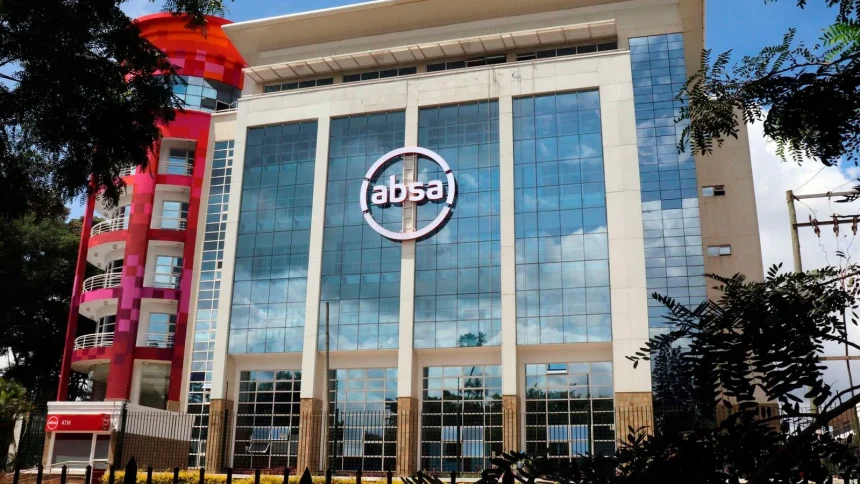
Absa Bank Kenya will spend up to KES 3 billion ($23.2 million) a year on technology to deepen its digital strategy, according to a Business Daily report, as the lender seeks to move more customer activity to mobile and other self-service channels.
The bank said the recurring investment will make transactions easier and support its push into digital banking, even as competition intensifies and customer expectations shift away from branches.
The change reflects a broader migration across Kenya’s banking sector towards mobile and self-service channels, a trend accelerated by the country’s entrenched mobile money ecosystem and rising expectations for instant, always-on financial services.
“Typically, we now do KES 2 billion ($15.4 million) to KES 3 billion ($23.2 million) of investments per year [in technology], and 2025 was no different in ensuring we are migrating transactions to digital platforms. We are making it easier for our customers to transact with us,” Absa Kenya chief executive Abdi Mohamed told Business Daily.

The bank spent KES 2.16 billion ($16.7 million) on technology in 2025, underscoring how quickly digital investment has become a fixed cost in its operations. About 94% of all transactions in 2025 took place outside branches, compared with roughly 40–50% a decade ago, according to the lender.
The technology push comes as Absa continues to reshape parts of its consumer banking leadership around digital banking. In February, the bank appointed former M-Pesa Africa chief executive Sitoyo Lopokoiyit to head its personal and private banking division, a move widely read as a signal of where it expects retail growth to come from.
Lopokoiyit, who built his reputation overseeing the expansion of M-Pesa, is expected to bring mobile banking experience to retail and affluent banking at a time when the boundaries between banks and fintechs are becoming blurred.
Efficiency gains
The efficiency gains are already visible in the bank’s cost base. Other operating expenses fell 21% to KES 7.35 billion ($56.9 million) in the year to December 2025, with management attributing much of the decline to digitisation and automation. The impact of the technology push has also been reflected in performance metrics.
Absa’s cost-to-income ratio—a measure of banking efficiency—improved to 36.5% in 2025 from 46% a year earlier, helped by lower costs and improved revenue generation.
Net profit rose 10% to KES 22.9 billion ($177.3 million) over the period, suggesting that efficiency gains from digitisation are beginning to support bottom-line growth, even as investment spending remains elevated.